Ben Becker · 17 September 2026
How Platform Restructuring Influences User Discovery Pathways in Niche Websites
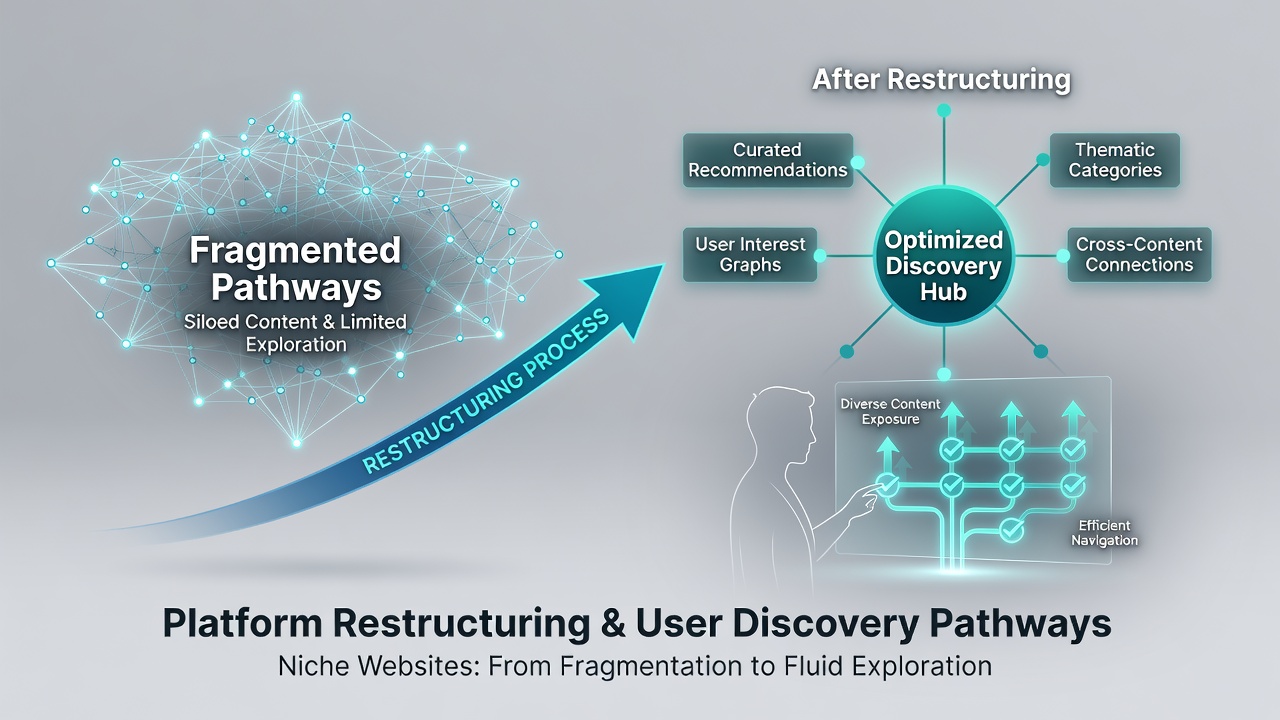
Platform restructuring involves changes to site architecture, algorithms, and content organization that alter how users locate material on specialized online communities. These modifications affect search rankings, recommendation systems, and navigation menus in ways that shift discovery patterns over time. Data from multiple digital analytics providers shows that such updates often redirect traffic from direct searches to algorithmic feeds, especially on sites focused on hobbies, professional networks, and interest-based forums.
Core Elements of Platform Restructuring
Teams behind niche websites frequently consolidate categories, update tagging systems, and introduce new recommendation engines during restructuring phases. These steps combine with adjustments to crawl budgets and internal linking structures that influence how search engines index content. Observers note that when administrators merge topic areas or alter URL hierarchies, older discovery routes via category pages lose prominence while personalized feeds gain traction. Research from academic institutions indicates that these shifts occur because platforms prioritize user retention metrics over traditional search visibility.
Impact on Search and Navigation
Users who previously relied on keyword searches encounter new barriers when restructuring prioritizes machine learning models for content surfacing. Studies conducted by European research centers reveal that sites undergoing major overhauls experience a 30 to 40 percent drop in organic search referrals during the first quarter after changes take effect. Navigation pathways evolve as well because breadcrumb trails and sidebar menus get streamlined or replaced with dynamic carousels. Those who track visitor behavior through heat mapping tools report longer session durations on feed-based interfaces yet reduced clicks on archived material.
In September 2026, several mid-sized platforms specializing in independent publishing and craft communities implemented simultaneous updates to their backend systems, which produced measurable changes in how contributors and readers interacted with material. The adjustments included revised permission settings for external shares and updated indexing protocols that limited crawl frequency for certain subdomains.
Changes in Recommendation Systems
Recommendation engines play a central role once restructuring emphasizes engagement signals over static directories. Platforms integrate behavioral data such as dwell time and scroll depth to surface content, which redirects users away from broad category browsing toward tailored suggestions. Industry reports from Australian digital economy agencies document that niche sites see increased internal page views after these systems activate, although external referral traffic from search engines declines. External link patterns also shift because administrators often de-emphasize outbound connections in favor of keeping visitors within the restructured environment.
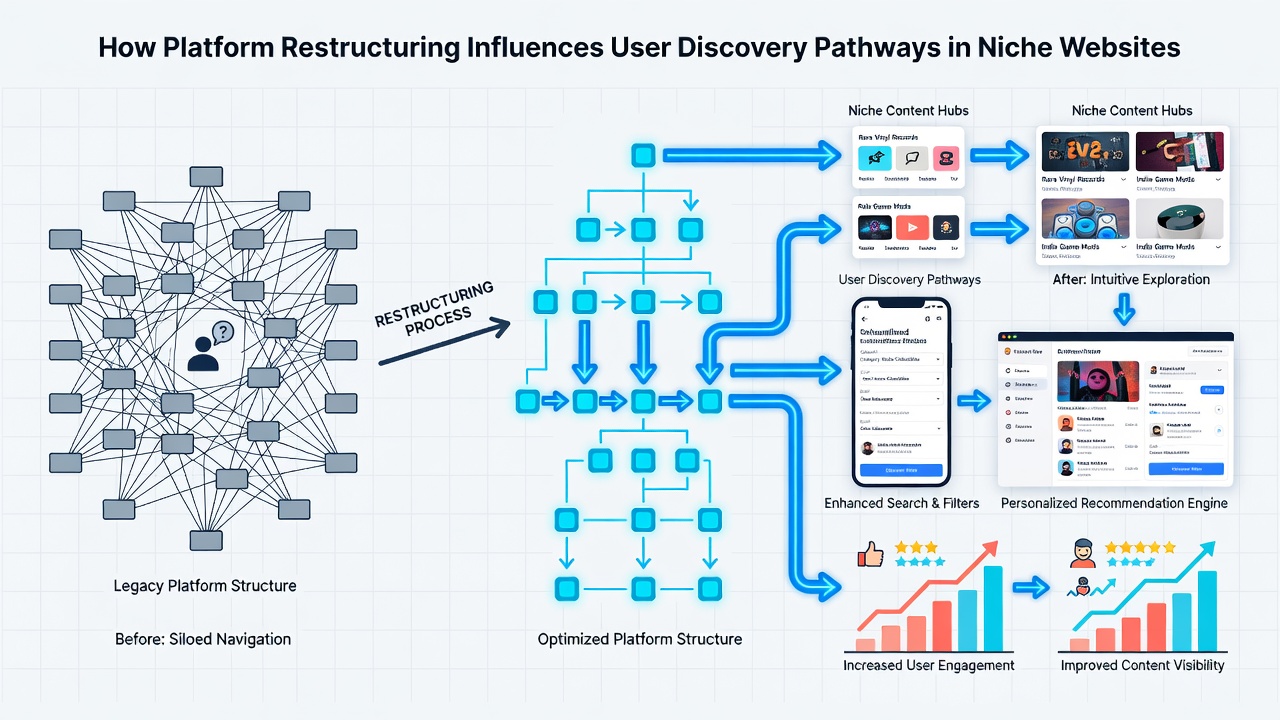
People who maintain hobby forums observe that threads previously discoverable through chronological sorting become harder to locate unless they match algorithmic preferences for recency and interaction volume. This creates a feedback loop where popular items receive further amplification while less active discussions fade from view. Data compiled by North American research institutions confirms that such loops concentrate attention on a smaller set of content pieces within weeks of implementation.
Effects on Niche Community Dynamics
Discovery pathways influence participation rates because members find new contributions through different channels than before. When platforms introduce topic clusters or AI-assisted tagging, users encounter material aligned with past activity rather than exploring adjacent interests. Figures from Canadian government digital reports highlight how this narrowing occurs across multiple sectors, including educational resource sites and regional interest groups. Administrators respond by adding discovery tools like topic explorers, yet these additions require users to learn new interaction methods.
Link velocity patterns change noticeably after restructuring because internal connections receive priority during content audits. Anchor text distributions adjust as well when teams standardize phrasing across migrated or consolidated pages. Crawl budget allocation favors high-traffic sections, which means older archives receive less frequent indexing unless administrators explicitly preserve pathways to them.
Longer-Term Adjustments and User Adaptation
Over successive months, user behavior adapts to the new structures as individuals develop habits around feed consumption and saved collections. Those who study platform metrics find that return visits increase when recommendation accuracy improves, yet first-time discovery from external sources requires additional effort. Academic papers published through university repositories detail how these patterns repeat across different niche categories, with variations based on content type and audience size.
Platform teams sometimes introduce hybrid navigation options that blend traditional menus with algorithmic elements, allowing users to toggle between discovery modes. This approach appears in updates rolled out during late 2026 on several specialized discussion boards. The resulting pathways combine structured browsing with personalized elements, which produces mixed outcomes for different user segments.
Conclusion
Platform restructuring modifies user discovery pathways through combined changes to architecture, algorithms, and navigation tools on niche websites. Evidence from regulatory bodies and research organizations across regions demonstrates consistent shifts in referral sources and internal engagement. These modifications continue to evolve as platforms refine their systems in response to performance data and user interactions.